
The Reason Why
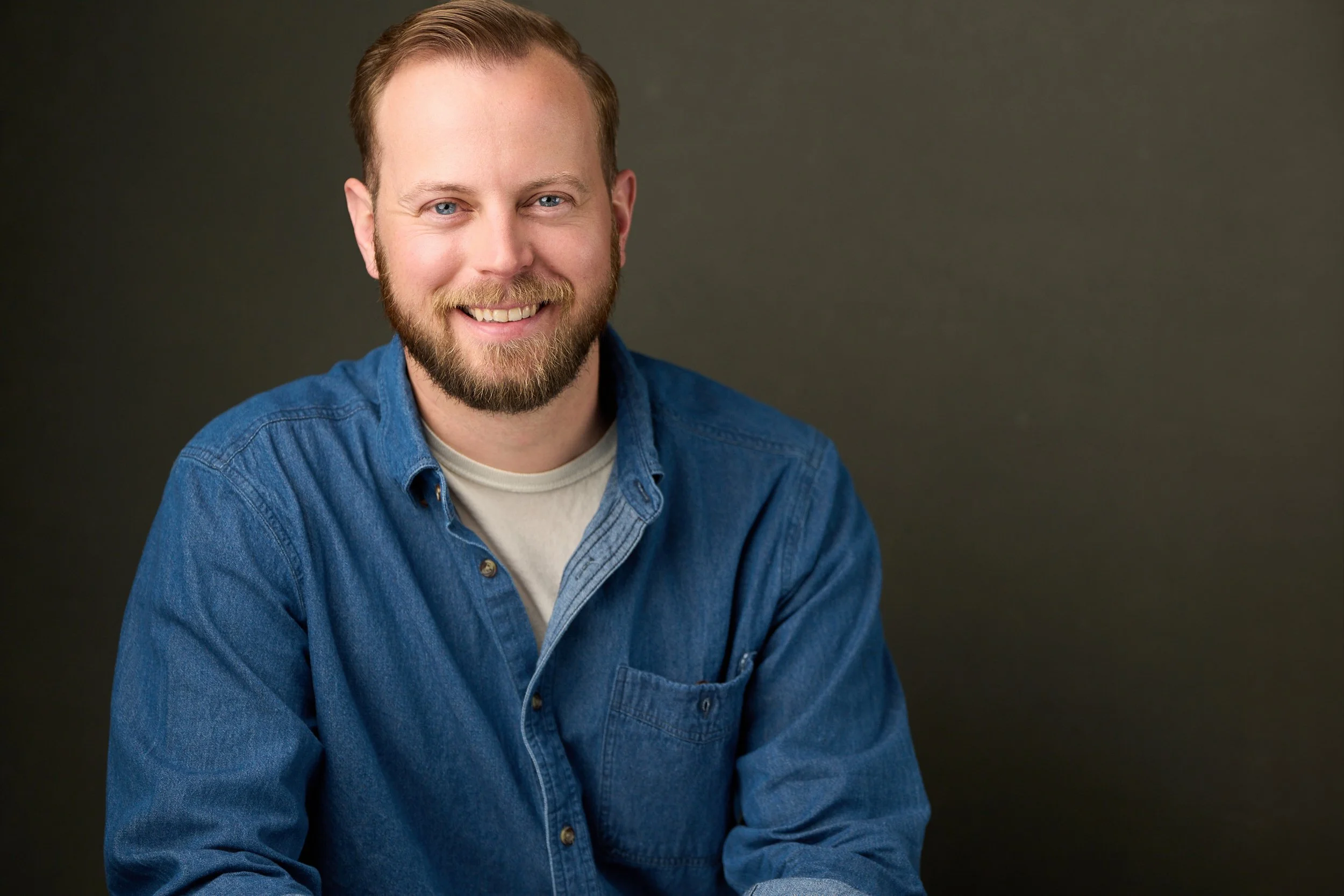
By Kevin Ryan
I stopped at an American Legion post on my way home to finish up some emails and enjoy cheap beer. I sat down at the bar, ordered an Old Style, and opened my laptop. But I never had the chance to write those emails. As soon as I opened my laptop, one of the old-timers—a Vietnam veteran—started talking to me from across the bar. I soon realized he wasn’t at the bar for cheap beer. So, I put my computer away and moved over next to him. We talked for about an hour.
We shared the same conversation that I have heard in private clubs over old fashions as well as dingy dives over Old Styles. It is a conversation unconstrained by geography, wealth, or level of education. No one is born into this conversation. But once a party to it, it is a conversation that turns strangers into siblings. And it typically begins with, “So, I was in…”
The conversation among military veterans holds equally unique and universal qualities. Every story is different. But they all feel similar. It is an important conversation—one that gives veterans the opportunity to unburden and connect with others in a society that feels increasingly unrecognizable.
Since Independence, veterans have built spaces for this conversation. Officers from the Continental Army formed the General Society of Cincinnati, followed closely by the Society of the War of 1812. In the aftermath of the Civil War, posts of the Grand Army of the Republic provided space for the more than two million U.S. war veterans across the country. After the Spanish War, veterans formed the Veterans of Foreign Wars. And in 1918, veterans returning from Europe formed the American Legion.
Tucked away on the corner of Lakewood and Wrightwood in what used to be an industrial corridor of Lincoln Park—the imbedded railroad tracks are still visible on Lakewood—you will find American Legion Wayne-Wright Post 1052. The Post was formed in 1947 by two World War II veterans who wanted to build their own space for the conversations they kept having together. And thanks to that space, those conversations continue nearly 80 years later.
Three decades of warfare in the Middle East, Central Asia, and elsewhere have created a new breed of veteran. And as the burden of military service has fallen to fewer, so too have the spaces for veterans become fewer. But those spaces are even more important now. The ever-widening gulf between today’s generation of veterans and the greater American society has created a sense of isolation amongst many of this new breed. And this isolation has resulted in a great cost.
Since the wars in Iraq and Afghanistan began, we have lost over 40,000 veterans to suicide—a rate of 46 per 100,000. In the decades that followed World War II, the suicide rate amongst veterans was around 10-15 per 100,000. While it is futile to try and fit the reasons for veteran suicide into a neat, military-style wall locker, we can confidently agree that isolation does not help with the transition to civilian life. This is why the American Legion matters.
At Wayne-Wright Post 1052, every veteran has a home; every veteran always belongs, and no veteran is ever alone. It is a space where veterans can come together and share in conversation; where they can share, heal, listen, and most importantly, belong as their imperfect, incredible selves. But space is just space. Without people, there is no conversation. The Post provides the space—its veterans give it life.
If you are a veteran, you belong at Wayne-Wright Post 1052, and we, your fellow veterans, need you to fill our seats, join the conversation, and breathe life into our hall. Whether you come to share, listen, or both, every veteran has their own role to play in caring for our community. The ‘Battle Buddy’ concept does not end with a DD214—this is a lifelong commitment, because we are all in this together.
The Wayne-Wright Post 1052 is located at 1258 W. Wrightwood Avenue, Chicago. If you are interested in joining or attending, please reach out to Kevin Ryan at waynewright1052@gmail.com.
****
Kevin Ryan is a teacher, Marine Corps veteran, and community organizer in Chicago. As a Chicago Public Schools teacher, Kevin taught Advanced Placement U.S. Government & Politics, Chicago History, and Civics. As a Marine Corps infantry officer, Kevin led combat units in Afghanistan, Africa, and Eastern Europe. He later completed assignments at the Defense Intelligence Agency and the Pentagon, serving on the personal staff of General Eric M. Smith, Commandant of the Marine Corps and member of the Joint Chiefs of Staff. Kevin also served as a senior policy advisor at the U.S. Treasury Department during the Biden Administration. He now serves as the State Director of Veterans for All Voters in Illinois.